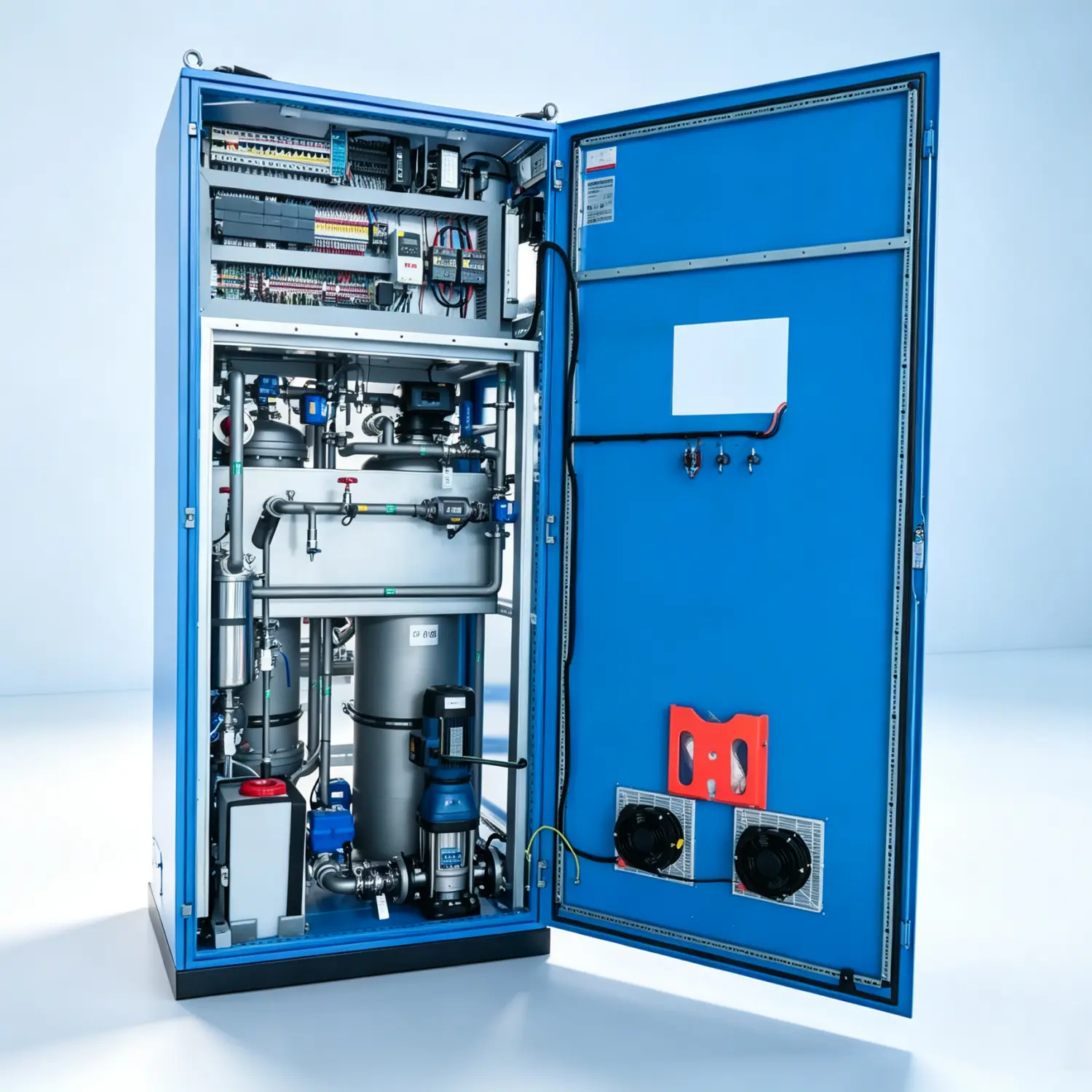
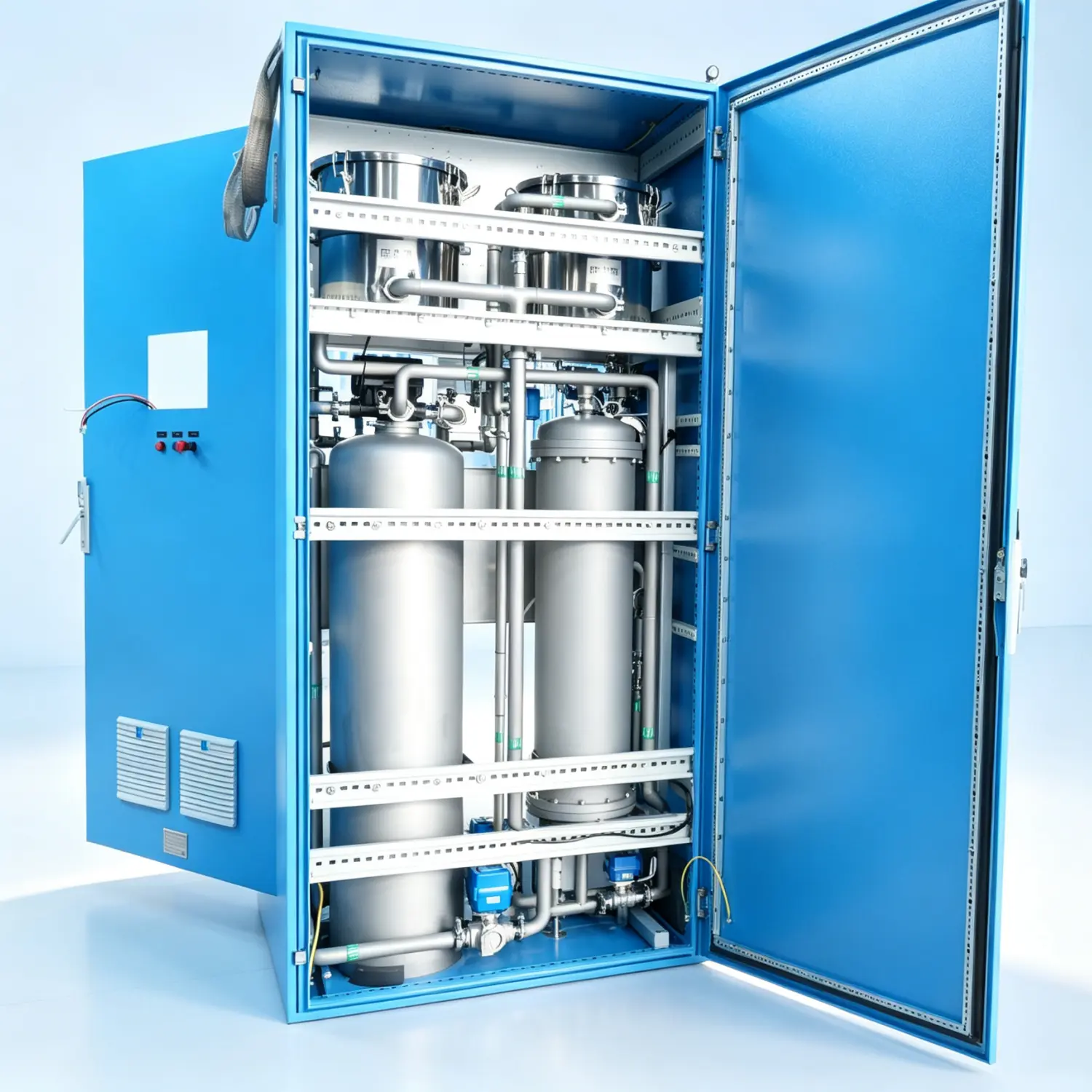
T.Jian Integrated Well Water Purification System: PLC Controlled Ceramic Ultrafiltration, 20-Year Maintenance-Free Purifier for Whole House & Village Supply

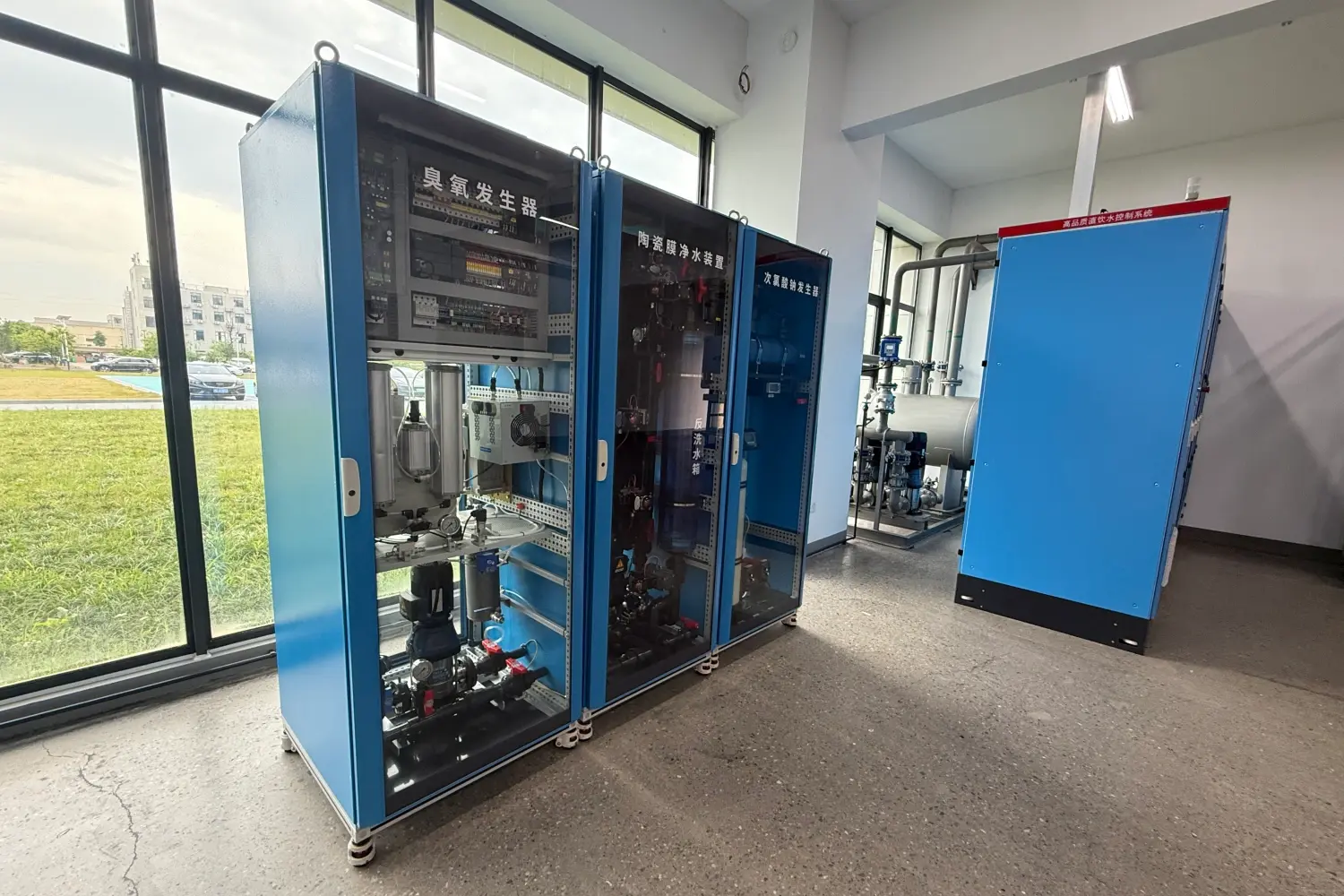
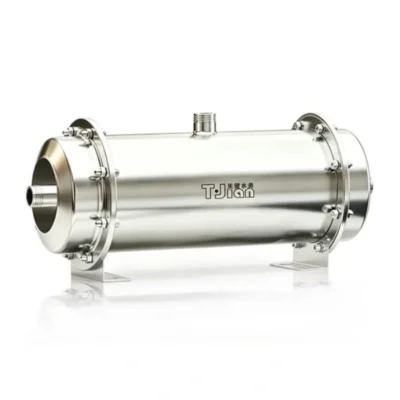
T.Jian Integrated Well Water Purification System is engineered to solve complex well water and groundwater challenges. Driven by advanced ceramic membrane ultrafiltration technology, it highly removes sediment, odor, bacteria, and organic pollutants while retaining essential minerals.
20-Year Lifespan: Heavy-duty ceramic filter resists corrosion and fouling, offering a 20-year maintenance-free lifespan without frequent replacements.
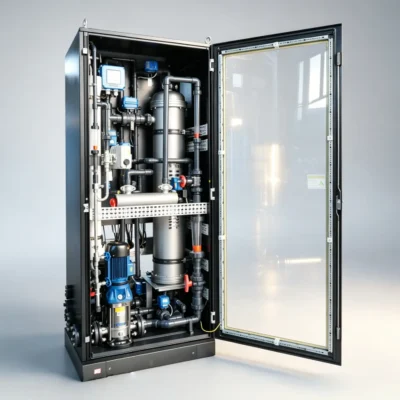
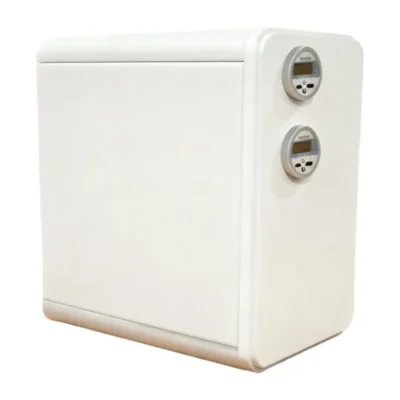
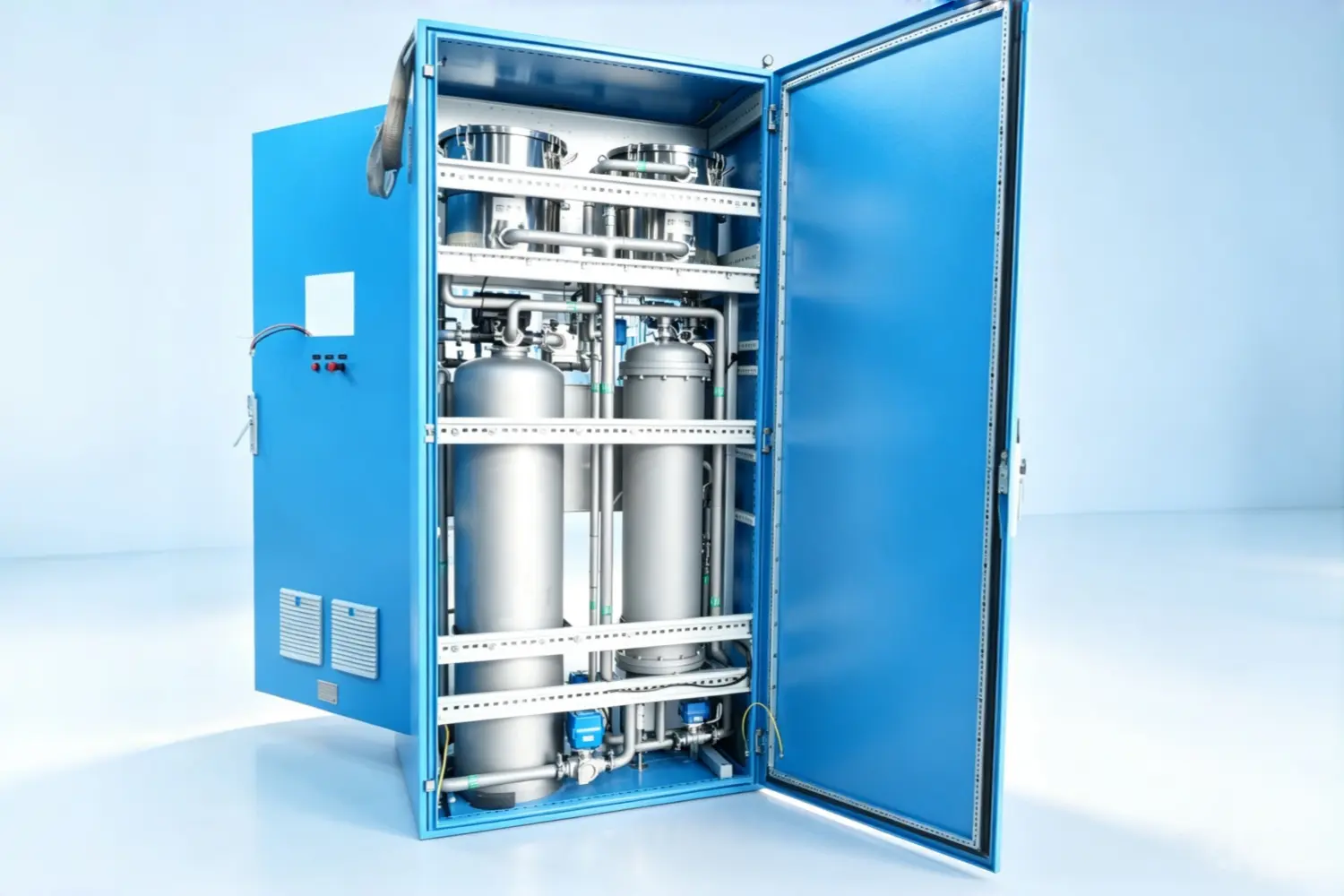
Smart & Compact: Equipped with a smart PLC control cabinet and a fully integrated design for minimal footprint and effortless installation.
Versatile Application: Stabilizes highly fluctuating water quality, perfectly suited for villas, rural residential areas, centralized village water supply, and whole-house purification.

Description

Safe well water is vital to people’s well-being. In Indonesia, well water often suffers from issues such as turbidity, excessive sediment, unpleasant odors, high levels of bacteria and microorganisms, low pH, and a tendency to clog pipes. Ensuring safe drinking water is an urgent priority.

Leveraging world-leading ceramic membrane technology, Tianjian Water has developed an integrated treatment system specifically tailored for Indonesian well water. This system efficiently removes harmful microorganisms and organic pollutants without causing secondary contamination, while scientifically retaining beneficial minerals essential for human health and improving taste for a cleaner, healthier drinking experience. It comprehensively addresses the challenges posed by complex well-water quality, upgrading household water usage from mere availability to superior quality. The system features Tianjian’s proprietary ceramic membrane ultrafiltration technology, offering corrosion resistance, fouling resistance, and a lifespan of up to 20 years without the need for filter replacements. Designed to handle highly variable and complex well-water conditions, the compact, all-in-one unit is easy to install and suitable for diverse applications, including standard homes, villas, self-built houses, and centralized rural water supply systems. Tianjian Water’s integrated treatment system guarantees drinking water safety through robust technology and safeguards family health with professional solutions, providing millions of Indonesian users with stable, efficient, and reliable whole-house water purification.
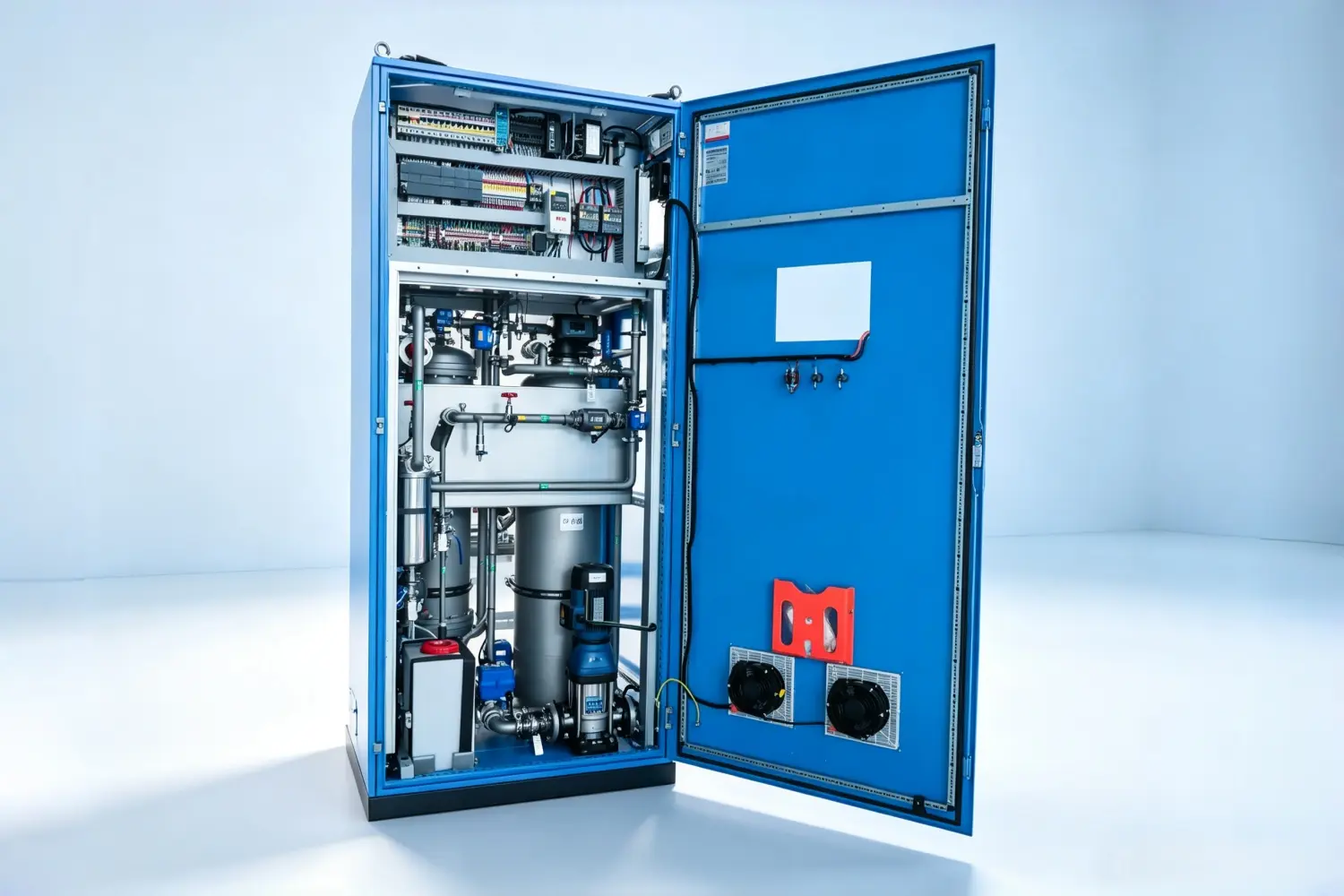
indonesian integrated processing unit 01

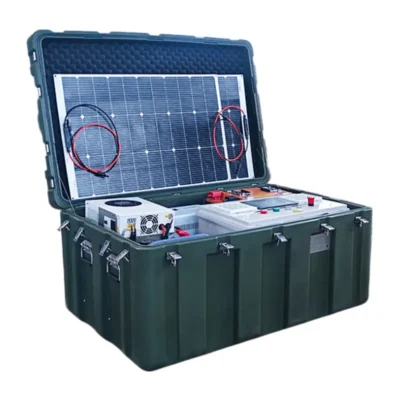
indonesian integrated processing unit 02

Company Overview

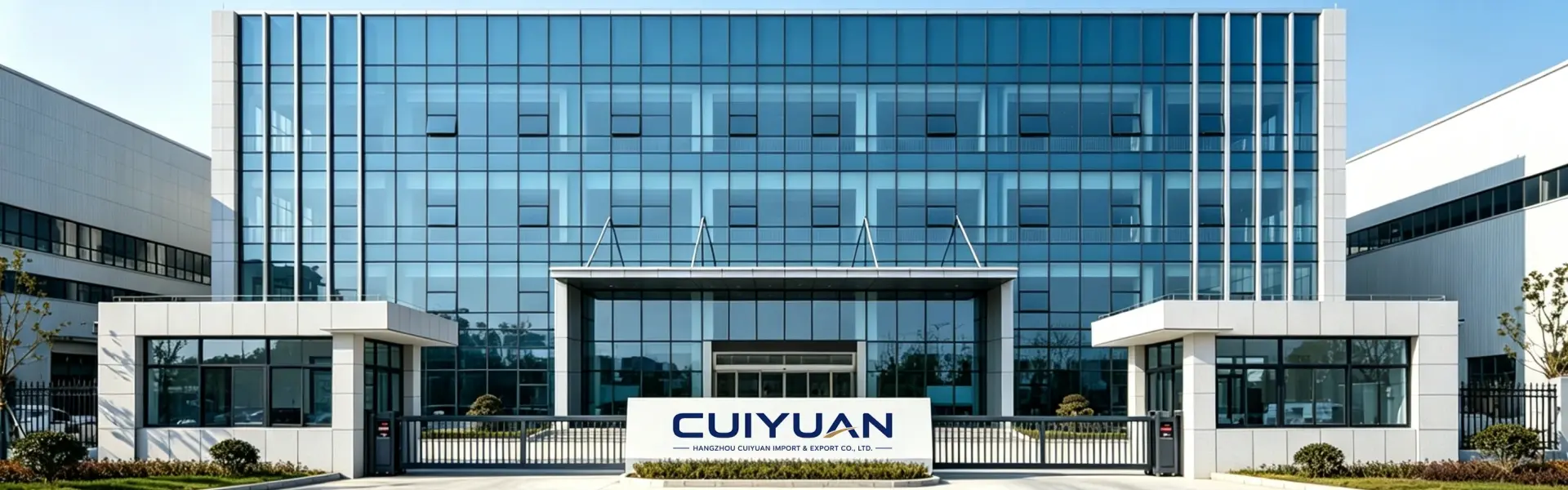
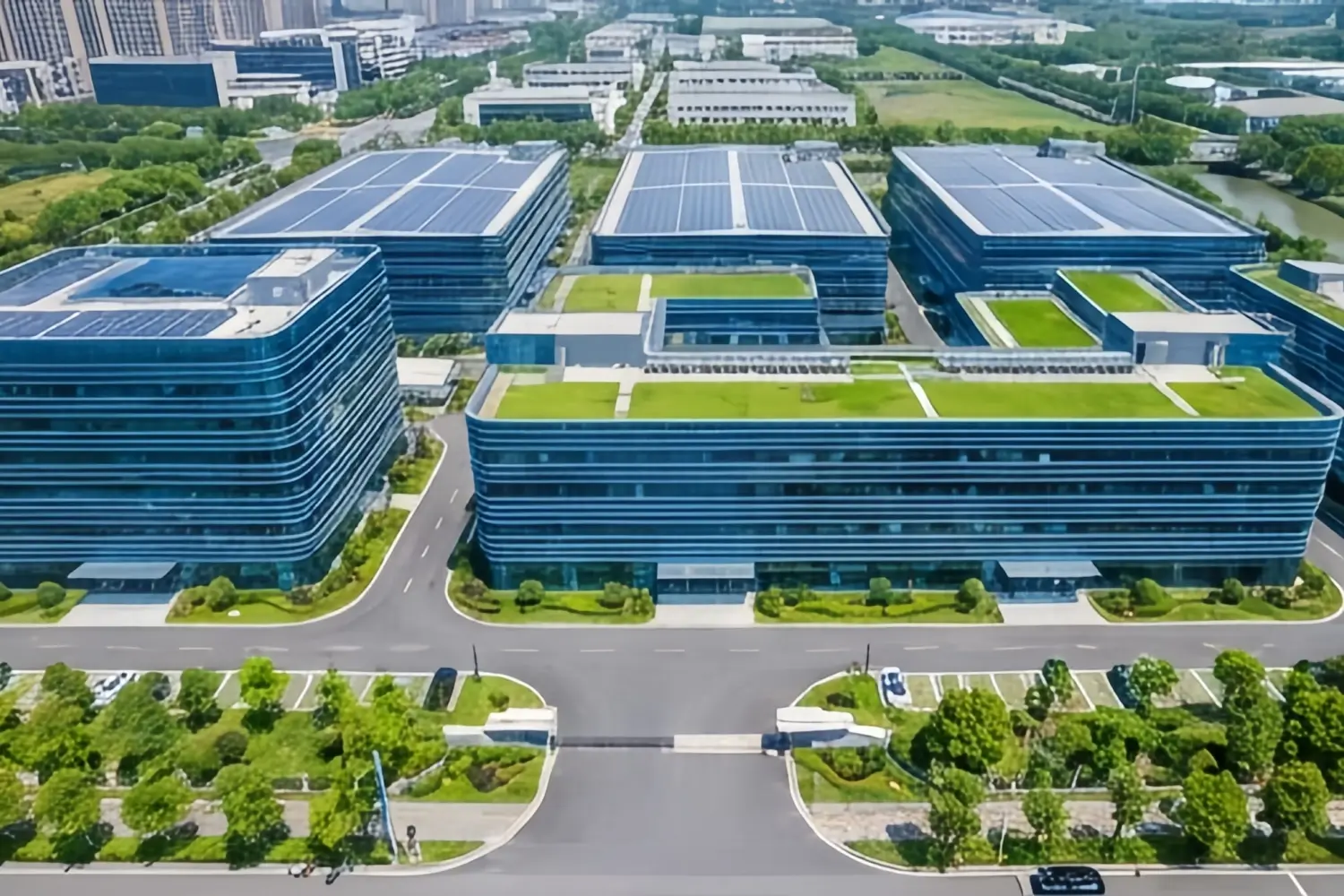
Hangzhou Cuiyuan Import & Export Co., Ltd. operates a state-of-the-art 70,000 ㎡ Smart Manufacturing Base, housing the world’s longest automated ceramic membrane tunnel kiln production line, stretching 128 meters. This facility represents the pinnacle of intelligent manufacturing in the water treatment industry, allowing us to maintain the highest standards of quality and efficiency.

about img 01

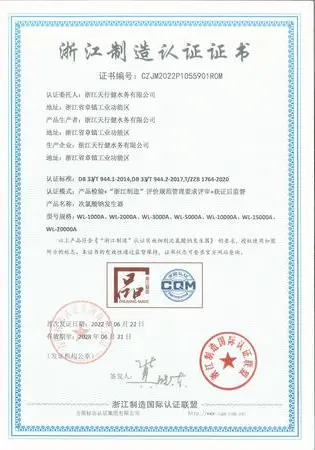
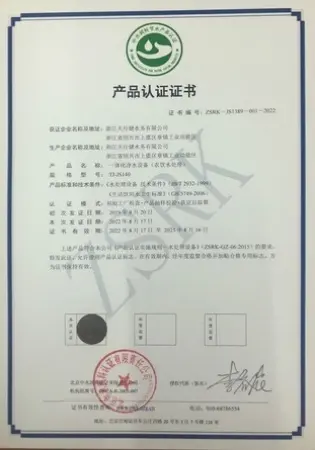
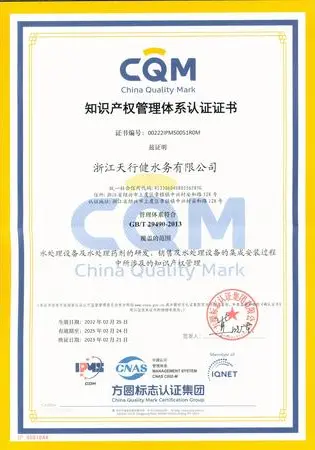
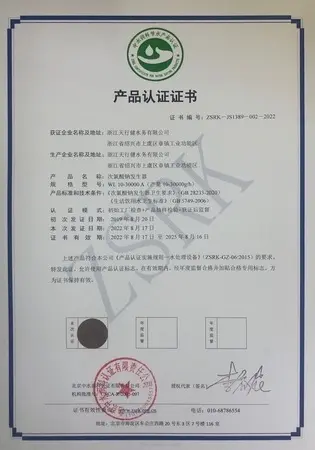
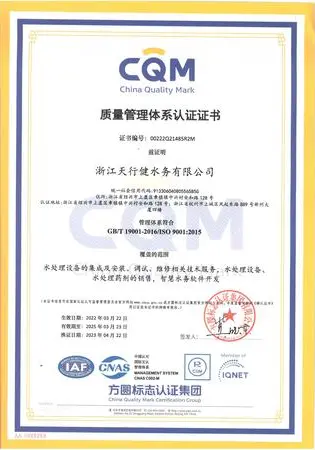
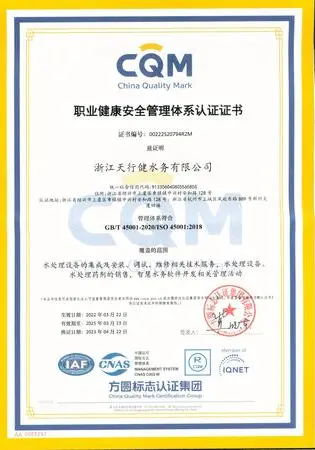
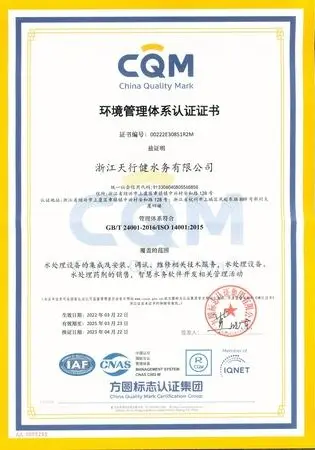
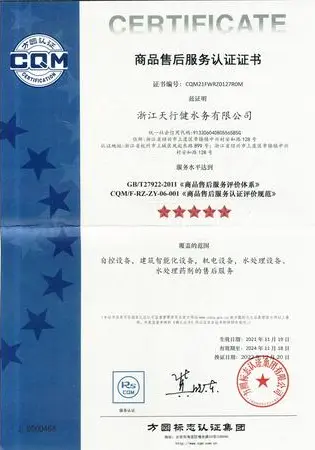
Certificates

Factory Show

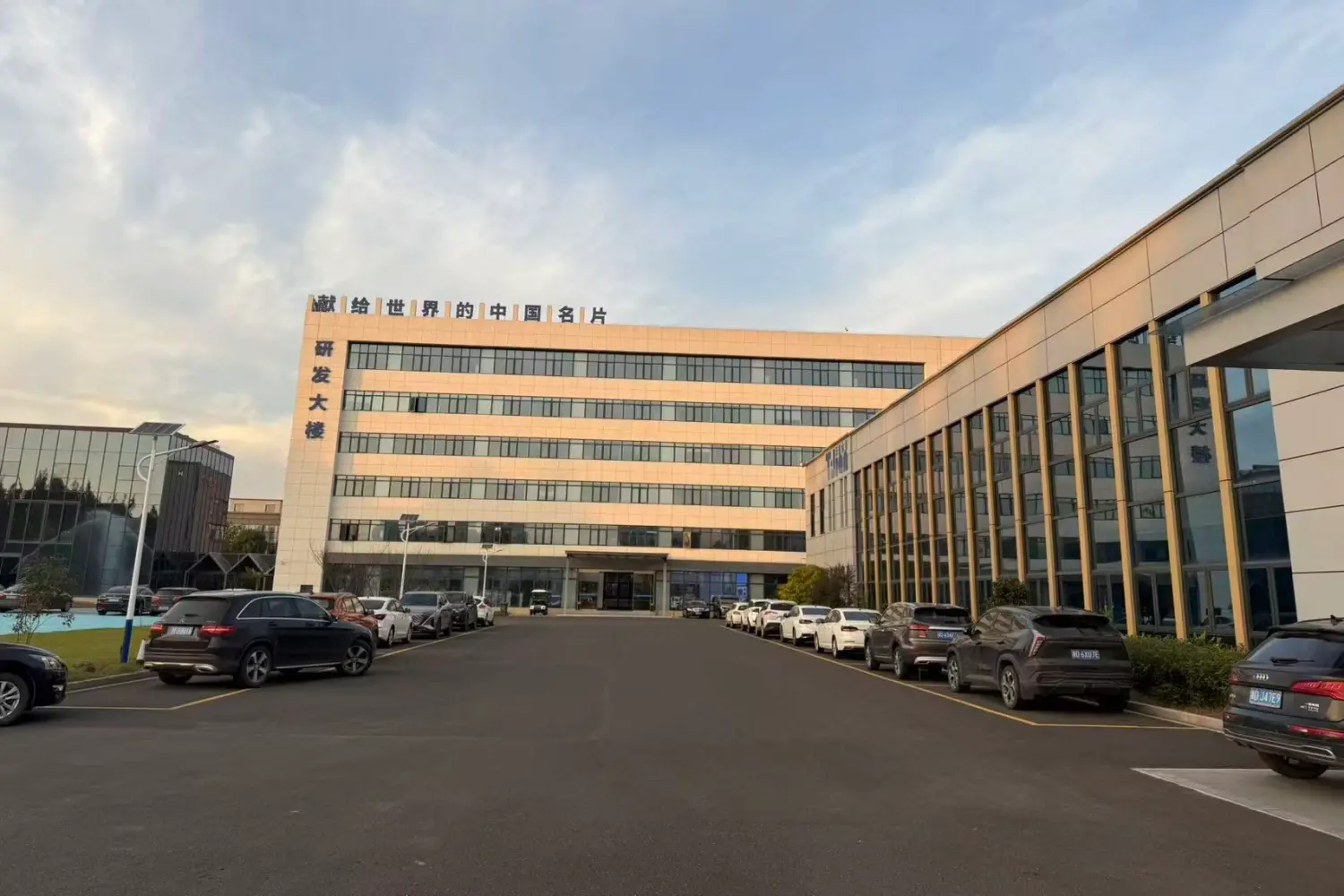
Factory Show

A: Our Ceramic Ultrafiltration Membranes offer several superior benefits:

  • Unmatched Durability: Service life exceeds 20 years, significantly longer than the 3-5 years of organic membranes.
  • Higher Precision: A constant 30nm pore size ensures the removal of bacteria, viruses, and even microplastics.
  • Superior Flux: Our membranes deliver fluxes 3 to 10 times higher than organic alternatives.
  • Robustness: Capable of withstanding operating pressures up to 0.7 MPa and temperatures up to 800°C.
  • Chemical Stability: Resistant to high concentrations of chlorine and various chemicals (pH 2-14) for intensive cleaning.

A: Yes. Our 30-nanometer (30nm) precision filtration effectively removes pathogens and suspended solids. The effluent turbidity is stably maintained below 0.05 NTU, which far exceeds international drinking water standards. Furthermore, our ceramic membranes are PFAS-free, ensuring no chemical or microplastic leakage into your water.

A: The Water Plant 3.0 utilizes our “Ultra-short Process” technology, which allows for direct filtration without the need for traditional heavy pretreatment. This simplified process reduces energy consumption from the industry average of 110 kWh/km³ to just 5 kWh/km³, representing a 95% saving in power costs.

A: Thanks to the high-temperature sintering of inorganic materials (alumina and zirconia), our membranes are extremely wear-resistant and corrosion-resistant. The expected service life is over 20 years, making it a one-time investment for decades of reliable operation.

A: Our systems are designed for high efficiency and sustainability. The water recovery rate typically exceeds 98%, minimizing water waste and maximizing the utilization of your raw water source.

A: Cuiyuan water supply systems are designed for ease of use and low maintenance. They feature:

  • Full Automation: Intelligent AI-driven control allows for stable, unattended operation.
  • Self-Cleaning: Programmable automatic backwash and physical cleaning cycles prevent scaling and clogging.
  • Durability: The inorganic material does not degrade or rot, requiring far fewer membrane replacements compared to organic systems.

A: Absolutely. Our ceramic membranes exhibit excellent resistance to oil, organic contamination, and high turbidity. They can filter highly turbid raw water directly while maintaining stable output and water quality, making them ideal for rivers, reservoirs, and even emergency water supply scenarios.

A: Sustainability is at the core of Cuiyuan’s solutions:

  • Zero Waste: Used ceramic membrane materials are 100% recyclable into other ceramic products.
  • Low Carbon Footprint: Extreme energy efficiency reduces CO2 emissions.
  • Clean Technology: No chemical additives are required for the membrane structure itself, and the system is completely free of microplastics.

A: Due to the ultra-short process and modular design, the total project footprint is approximately only 25% of that required by conventional processes. This makes it an ideal solution for land-scarce urban areas or upgrading existing facilities.